


What is a media map in PR?
If you’re running a startup, NGO, or small business and want to get media coverage, you need a media map. A media map is a simple but powerful database of all the journalists, editors, podcasts, newsletters, and media outlets relevant to your sector.
It helps you see the lay of the land—who’s covering your space, where they’re based, and what kinds of stories they publish. For anyone working in communications, it’s non-negotiable. But even if you’re a founder or director without a PR team, you can build one yourself.
Without one, you’re basically hoping and praying someone stumbles upon your press release. With one, you’re clear on who to talk to, what they care about, and what they’ll need from you.
| Benefit | Description |
| Shorten event-to-coverage time | You already know who to contact when something happens. |
| Reduce pitch rejection | You’re pitching to the right people with relevant angles. |
| Build faster relationships | You can connect and engage before asking for coverage. |
| Stay organized | You have all contacts and outlet details in one place. |
| Track opportunities | You spot trends and new media voices early. |
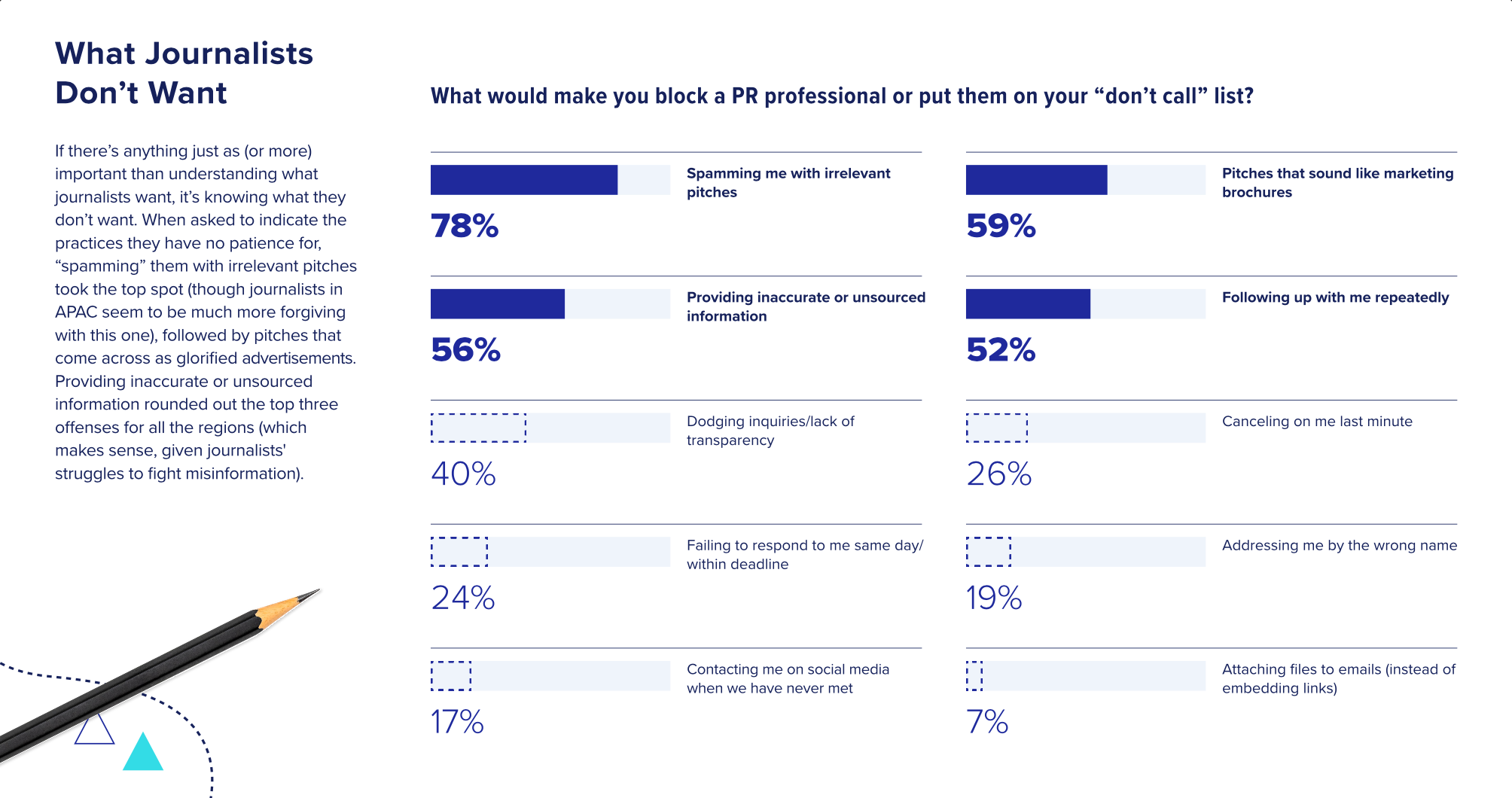
A 2025 Cision report found that 78% of journalists say irrelevant pitches are the top reason they ignore PR emails. An updated media map keeps you from becoming part of that statistic.
At Column, we build a media map for every PR client before sending a single pitch. It shortens the time between an event and coverage. It also reduces pitch rejection rates because you’re targeting people who actually care about your story. And it helps you build relationships with editors and journalists before you need their help.
How to build a PR media map in 4 steps
Start with a simple spreadsheet. Here’s how to structure it:
| Column | Example |
| Outlet name | The Column |
| Region | London, United Kingdom |
| Contact name | Editor-in-Chief |
| editor@columncontent.com | |
| Phone | +44-xxx-xxxx |
| URL | columncontent.com |
| Type of content | Communications and policy news |
| Future pitch ideas | Policy changes, media innovation reports |
| Similar coverage examples | “Policy Informatics: Using Data to Create Laws” |
Step 1: Define your media types
Most people stop at newspapers and TV, but you should go further. Your map should include every form of earned media—places you can appear without always paying for ads. That means:
- News outlets and online publications
- Podcasts (industry or topic-specific)
- YouTube shows or vlogs
- Newsletters with strong subscriber bases
- Radio and TV shows
- Influential social media accounts in your sector
If you already have a PESO plan (Paid, Earned, Shared, Owned media), this will guide you. Aim for at least 30 outlets to start. Diversity matters—you want a mix of niche and national channels.
Step 2: Populate the data
Once you’ve listed the outlets, start collecting details. Begin with what’s public: email addresses, social handles, and contributor forms. Some media kits or “contact us” pages will list relevant editors. If you can’t find personal emails, generic ones work until you make connections.
Then, add a few qualitative columns. What kind of content do they feature? What tone or framing do they use? What angles might you pitch in the future? Include links to similar coverage so you can match their style later.
Step 3: Connect and observe
After filling out the spreadsheet, connect with all relevant contacts on LinkedIn, X (Twitter), and Instagram. Subscribe to their podcasts or newsletters. You don’t have to consume everything they produce—just being in the loop matters. You’ll notice what topics they’re covering, who’s being featured, and how stories are framed.
Knowing this helps you craft better angles. For example, if a podcast recently covered “African women in tech,” you might pitch a follow-up about “How female founders are funding growth differently.” Same theme, different angle.
Step 4: Keep it alive
A media map isn’t a one-time project. Journalists move jobs, editors switch beats, and outlets shut down. Treat it as a living document. Update it whenever you notice new coverage or staff changes. I often do this with my team in Slack whenever we see a new byline.
Set a reminder to refresh it quarterly. You’ll avoid wasted effort pitching people who’ve moved on and spot new opportunities early. This is why connecting on LinkedIn helps—you’ll see these job changes in real time.
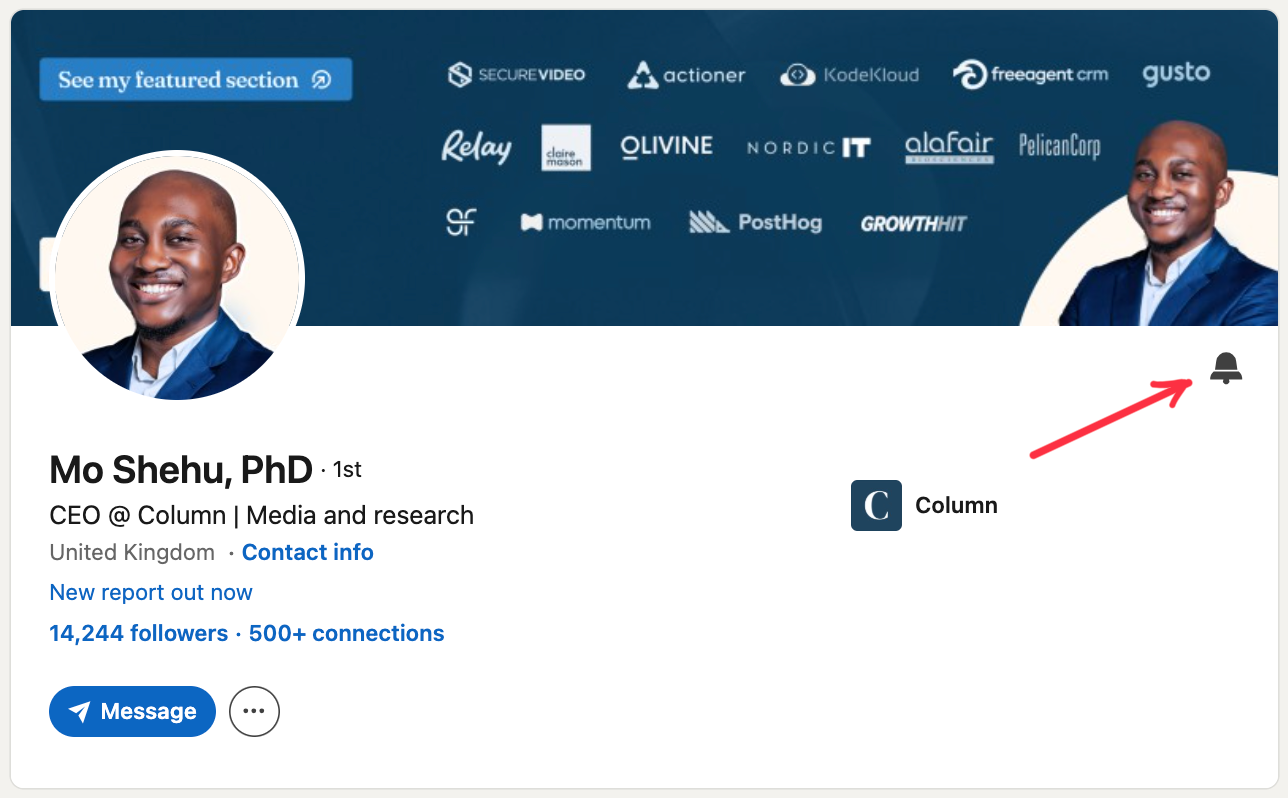
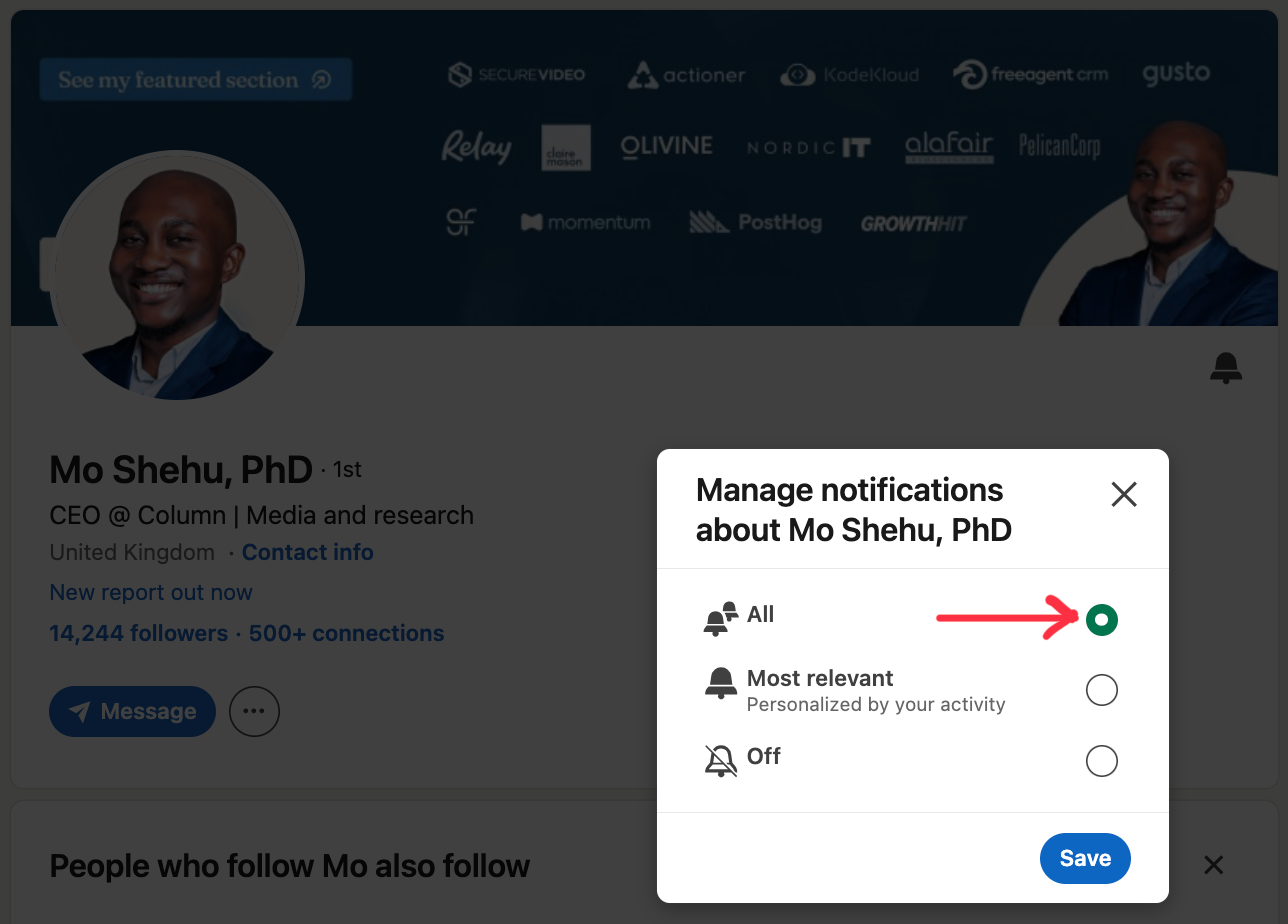
Hit the bell button on the profiles of the editors/hosts/creators and select ‘All’ to get updates (try it with my profile).
Example: A small NGO’s PR media map
Let’s say you run a small NGO focused on clean water access in East Africa. Your media map might look like this:
| Outlet | URL | Region | Type | Potential angle |
| The East African | theeastafrican.co.ke | Kenya, Uganda, Tanzania | News site | Coverage of new borehole projects |
| Africa Climate Conversations | open.spotify.com/show/1AA4aPDPQor0ckTUE8ip25 | Pan-African | Podcast | Community impact stories |
| Devex | devex.com/news | Global | News platform | Donor-funded water programs |
| Nation FM | ntvkenya.co.ke/nationfm | Kenya | Radio | Local interviews about field work |
| LinkedIn: African NGOs Development Network | linkedin.com/company/and-net | Africa | Social media | Case studies on sustainable projects |
Within weeks, you’ll have clear visibility into who covers what. When your next campaign launches, you’ll already know exactly where to send your story.
Keep your PR media map useful
Once your media map is running, layer it into your regular work. Before every campaign, consult it. When you see a journalist’s new post online, engage with it and comment thoughtfully. Over time, you’ll build recognition before you ever pitch them.
Also, look for patterns in your outreach. Are most of your contacts in one region? Are you missing podcasts or social-first outlets? Your map will show you where your visibility gaps are, especially when paired with other PR metrics.
Final thoughts on building a PR media map
A PR media map might sound like admin work, but it’s one of the smartest investments you can make in your communications. It replaces guesswork with clarity. It shortens the road from news to coverage. And it builds your media relationships long before you need them.
Without one, you’re running blind. With one, you’re ahead of every competitor still hoping for luck to bring them a headline.
If you need help building your first media map or want expert support refining your PR strategy, reach out to us at Column. We help startups, NGOs, and growing brands plan, build, and pitch stories that land. Learn more today.