
There’s a conversation happening inside technical documentation teams at companies preparing to expand into new markets. It goes something like this:
“We need localisation for Germany, for Spain, for Brazil—but do we really need to pay for human translators? Can’t we just run it through AI?”
No. You can’t. And if you’re already doing it, you need to stop.
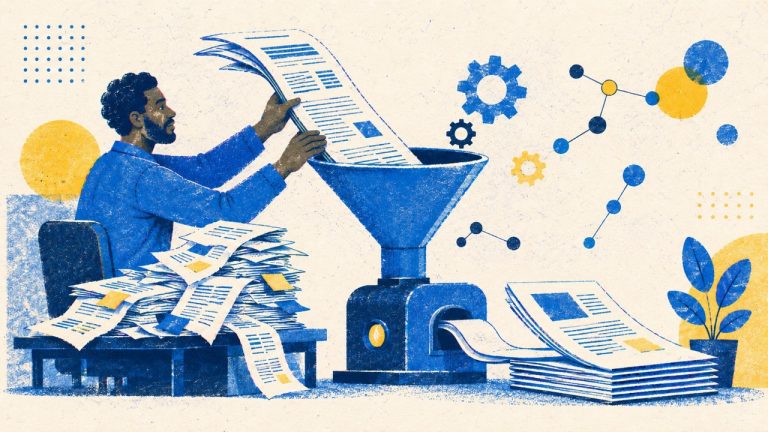
On the surface, it’s a reasonable-sounding cost-saving measure. You’ve got UI strings, help docs, error messages, maybe a full product manual.
You need them in German, Spanish, Mandarin, Portuguese. AI can do that in seconds for a fraction of the price of a human translator.
So what’s the problem?
The problem is you’re confusing speed with accuracy, and cheapness with value. These aren’t the same things, and in technical documentation, conflating them can cost you far more than you saved.
Back-translation isn’t quality assurance
Here’s the “QA process” a surprising number of teams are relying on: translate the English source text into the target language, then paste that foreign text back into the tool and see if you get the same English out. If it looks roughly right, ship it.
Except this isn’t quality assurance. It’s the illusion of it. AI translation doesn’t catch missing nuance, false cognates, or terms that mean something entirely different in a clinical or legal context.
Google Translate doesn’t promise its output is accurate; neither does any AI translation tool. They’re often optimising for fluency, not correctness.
A sentence can read beautifully in German and still be wrong in ways that a bilingual reader would catch immediately.
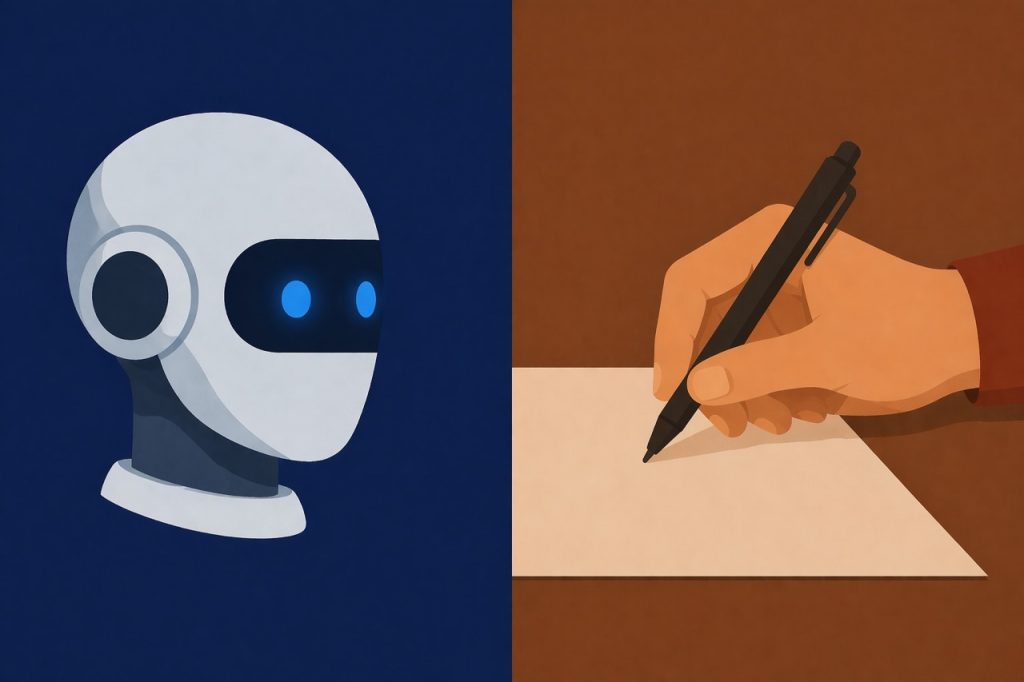
Professional translators are better than AI localisation
A certified, professional translator isn’t just someone who speaks the language. They’re also someone who can be held accountable for their work.
They can testify in court, have their translations notarised, and carry professional liability. If a mistranslation causes harm, there’s a person, credential, or organisation in the legal trail. In other words, there’s recourse.
AI has none of that.
You can’t sue a language model, nor can it take the stand. It also can’t pay out any damages. It can’t even acknowledge it made a mistake in any meaningful, consequential way. When you use AI for translations and something goes wrong, the liability transfers squarely to you.
A good professional translator also brings something AI can’t: a network. When they come across a tricky term—like a highly specific clinical phrase, or domain-specific jargon with no clean equivalent—they can consult their colleagues: people who’ve worked through that problem before, in that language, in that industry.
You lose all of that when you rely on AI.
ISO audits might fail AI localisation
If your organisation operates under ISO 27001, ISO 9001, or any comparable framework, you already know auditors care deeply about process integrity and the traceability of decisions.
“We used an AI tool and ran a back-translation check” isn’t a defensible process. It’s not documented expert judgement, nor is it certified work. It won’t satisfy an auditor who’s looking for evidence of quality controls.
And a failed audit doesn’t just cost you a certification. It can cost you clients, contracts, and operating licences in the very markets you were trying to enter.
AI translation for clinical products is risky
The stakes are higher with documentation for clinical or medical equipment.
Say you use AI translation for a product that a clinician in Germany or Brazil will use to read patient results. The translation has an error: one subtle enough to pass your back-translation check, and significant enough to change the meaning of a reading.
The clinician trusts your documentation. They don’t know there’s an error. Why would they? You’re the manufacturer.
So they read a false positive or a false negative to the patient. That patient makes a life-altering decision, about a diagnosis, treatment, or surgery, based on wrong information created because you tried to save money on translation.
Hello, lawsuits!
Don’t make money-based decisions
Qualified, certified translators aren’t cheap. But you can budget for them and recover the spend. The cost of a liability claim, wrongful harm suit, failed audit, or product recall triggered by a translation error is much, much higher.
It’s financial, reputational, and potentially company-ending, especially for a smaller company that wanted to cut corners.
Don’t be penny wise and pound foolish. Get people from the target country who speak that language natively, who’ve done this work professionally, and who can stand behind what they produce. Do it right the first time.
If you’re working on technical documentation and need help getting it right, including for new markets, Column works with documentation teams to produce content that’s accurate and defensible. Get in touch at team@columncontent.com.